
Uit onderzoek blijkt dat er een positieve relatie is tussen empathie op de werkplek en werkprestaties. Oftewel: empathische leiders worden zowel door hun leidinggevenden als door hun werknemers gezien als beter in hun werk. Empathie is onmisbaar in leiderschap wanneer het om een veilige werkcultuur en vertrouwen in relaties gaat.
Stel, je vraagt het de leiders in je organisatie. Hoe zouden zij deze vragen dan beantwoorden?
Heb je ooit:
de woorden die iemand zei begrepen, maar wist je niet zeker wat ze echt betekenden?
je van nature verbonden gevoeld met sommige mensen, maar niet met anderen?
ervaren dat je ervan beschuldigd werd iemand niet te hebben ‘gehoord’, terwijl je wel luisterde?
gewenst dat je zo kon communiceren, dat meer mensen echt zouden begrijpen wat je zegt?
te horen gekregen dat je te weinig empathie had?
Hoe goed luisteren je leiders nou echt? Kost het hen moeite om een werkplek te creëren waar mensen zich gehoord voelen? Kunnen ze zich in anderen verplaatsen? Zijn ze zich bewust van hoe hun gedrag anderen beïnvloedt?
Het veranderen van onze leiderschapsmindset over empathie kan echt het verschil maken. Dit is de derde van acht mindsetveranderingen die de slagkracht van leiders kunnen veranderen.
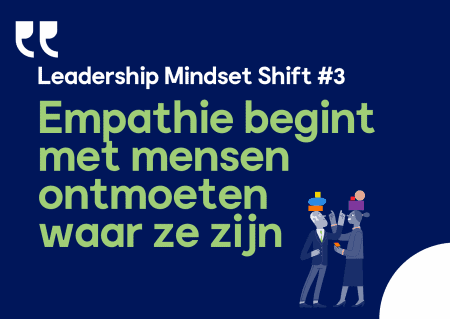
Leiderschap Mindset Shift #3
Empathie begint met mensen ontmoeten waar ze zijn (niet waar je wilt dat ze zijn)
Het Process Communication Model® erkent zes verschillende persoonlijkheidstypen die we allemaal in ons hebben. Elk persoonlijkheidstype heeft een unieke perceptie, een soort ‘filter’ waarmee hij/zij de wereld waarneemt. Dit filter kleurt hoe we onze omgeving en situaties ervaren, en hoe we met anderen communiceren. Door te kijken hoe mensen communiceren, kunnen we deze perceptuele filters ontdekken. PCM leert leiders hoe ze dit kunnen doen.
Ieder mens heeft één voorkeursperceptie. Maar iedereen kan ze alle zes leren herkennen, leren waarderen en vervolgens zijn of haar empathievaardigheden verbeteren.
Zes percepties
Door de volgende zes filters kunnen mensen de wereld ervaren en ermee omgaan.
Gevoelens: Deze manier van waarnemen draait om het bevestigen van anderen, het koesteren van relaties en deze relaties uitdiepen met een persoonlijk tintje. Typische woorden en zinnen zijn: ‘Ik voel me…’ ‘Ik voel me op mijn gemak bij…’ ‘Ik geef om…’ ‘…gelukkig’ ‘…verdrietig’ ‘Ik hou van…’ en ‘…dichtbij’.
Gedachten: Deze manier van waarnemen draait om vragen stellen over data, specifieke informatie en tijdskaders en dat ook met anderen delen. Typische woorden en zinnen zijn: ‘Ik denk…’ ‘Welke opties…’ ‘Betekent dat…’ ‘Wie…’ ‘Wat…’ ‘Wanneer…’ ‘Waar… ‘…feiten’ ‘…informatie’ ‘gegevens’ en ‘tijdschema’s’.
Reacties (leuk / niet leuk): Deze manier van waarnemen draait om het leuk hebben, de status quo uitdagen en zich vrij uitdrukken. Typische woorden en zinnen zijn: ‘Wow…’ ‘Ik vind het leuk (of stom)…’ ‘Ik hou niet van (of: haat)…’ ‘Ik wil…’ ‘Ik wil niet…’ en ‘Dat is geweldig!’ ‘Cool!’ [gebruik van grappige woorden, straattaal, originele uitdrukkingen].
Inacties (reflecties): Deze manier van waarnemen draait om het even pauzeren, nadenken en de mogelijkheden onderzoeken voordat iemand reageert. Typische woorden en zinnen zijn: ‘Ik stel me voor…’ ‘Ik zie…’ ‘Laat me even nadenken…’ en ‘Ik overweeg..’.
Meningen: Deze manier van waarnemen draait om het delen van meningen en waarden en dat ook van anderen vragen. Typische woorden en zinnen zijn: ‘Naar mijn mening…’ ‘Ik geloof…’ ‘We zouden/moeten…’ ‘…respect’ ‘…waarden’ ‘…bewondering’ ‘…inzet’ ‘…toewijding’ en ‘…vertrouwen’.
Acties: Deze manier van waarnemen draait om actie ondernemen of anderen tot actie aanzetten. Typische woorden en zinnen zijn: ‘Uiterste…’ ‘…schot in de roos’ ‘Ga ervoor’ ‘Gewoon doen’ en ‘Genoeg gepraat, actie!’.
Het spreken van elkaars taal
Communicatie gaat minder over wat je zegt en meer over hoe je het zegt. Je kunt dus aanpassen HOE je je boodschap overbrengt, zodat deze aansluit bij de perceptie van de ander. Hiermee laat je zien dat je de ander respecteert en waardeert om wie hij of zij is. Bovendien is de kans groter dat de ander positief reageert op wat je zegt.
Voor effectieve communicatie is het belangrijk om te weten dat we allemaal verschillend zijn in de manier waarop we de wereld waarnemen. Die kennis moeten we gebruiken als leidraad in onze communicatie met anderen. – Anthony Robbins
Stel je eens voor wat het effect van percepties op jouw communicatie zou kunnen zijn: beter ontvangen e-mails, memo’s, interne communicatie, klantcommunicatie en zelfs crisiscommunicatie. Allemaal omdat het is afgestemd op de juiste percepties.
Verander je mindset, word een betere leider
Leren hoe je percepties kunt gebruiken voor meer empathie, vertrouwen en verbinding is de focus van een van de acht modules in het PCM Leiderschapsprogramma. In deze module leren leiders hoe ze:
hun eigen communicatiestijl kunnen vaststellen;
de communicatievoorkeuren van de mensen om zich heen ontdekken;
meer empathie, vertrouwen en verbinding kunnen ontwikkelen;
persoonlijke en virtuele communicatievaardigheden kunnen verbeteren;
het bereik en de impact van organisatorische communicatiestrategieën kunnen verbeteren.
Wil jij aan de slag met het versterken van jouw leiderschap? Neem contact met ons op.