
Zo werkt PCM
Effectief communiceren, elke dag: met PCM kan het.


Waar de een makkelijker praat, is de ander beter in luisteren. En toch kost het vaak moeite om écht contact te maken. Met het Process Communication Model® leer je vaardigheden om miscommunicatie te voorkomen en het beste te halen uit elk gesprek. Zo word je effectiever als collega, leidinggevende, trainer of coach.

Edith Doosje
Directeur PCM Nederland
Effectiever communiceren in 4 stappen
PCM is meer dan een persoonlijkheidstest: het is een unieke tool om jezelf en anderen te ontcijferen. Zo zorg je ervoor dat jij goed in je energie zit en weet wat iemand anders nodig heeft. PCM onderscheidt zes persoonlijkheidstypen die we allemaal in ons hebben. In elk van ons staat een andere combinatie van deze 6 typen centraal. In 4 stappen benut je ze allemaal:
1.
Wees je bewust van je persoonlijkheid
Als je jouw voorkeuren kent, weet je wat je moet doen om je goed te voelen – en wat energie kost.

2.
Herken wat anderen doen, zeggen en laten zien
Door anderen te observeren, ontdek je de beste manier om ze te benaderen.

3.
Pas je communicatiestijl aan
Op basis van wat je ziet en hoort, weet je wat je kan doen en zeggen om echt verbinding te maken.

4.
Bouw aan sterkere relaties
Met dagelijkse interacties, op je werk, in vergaderingen, sociale situaties – en thuis.
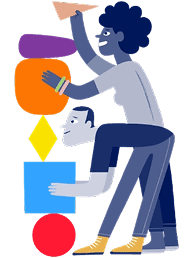
Herken en benut onderlinge verschillen
De basis van het Process Communication Model is je persoonlijkheidshuis. Hierin zie je de opbouw en percentages van de zes persoonlijkheidstypen. De volgorde en intensiteit is voor iedereen anders. Je bent dus niet ‘geel’ of ‘rood’, maar een unieke combinatie van kwaliteiten, voorkeuren en valkuilen. Hoe beter je die bij jezelf en elkaar herkent, hoe groter het verschil dat je kunt maken.
Daarom kies je voor PCM
Als individu
Als team of organisatie
Als trainer of coach
De voordelen van PCM voor jou
PCM in de praktijk


Plan je PCM-reis
Ik wil mezelf beter begrijpen en makkelijker contact maken met anderen

Individuele coaching & begeleiding
Ontdek je persoonlijkheid
Ontdek je persoonlijkheid met je eigen PCM Profiel
Vul onze gevalideerde vragenlijst in en ontdek je sterke kanten, behoeften en waarschuwingssignale.
Individuele PCM-coaching
Ervaar de kracht van individuele PCM-coaching
- Leer je sterke kanten te benutten en versterken.
- Leer stress herkennen en ombuigen naar iets positiefs.
- En leer zo betere relaties op te bouwen.

Volg een PCM-training
Vergroot je communicatievaardigheden met PCM-training. Leer jezelf en anderen beter begrijpen, spreek ieders taal en bouw aan sterke relaties, individueel of met je team.
Onze trainingen zijn geaccrediteerd door het Schoolleidersregister, ICF (CCEu’s) en erkend voor ABAN/BIG-geregistreerde professionals.
PCM Basistraining (3 dagen)
PCM Basistraining (3 dagen)
- Maak uitgebreid kennis met je PCM-profiel
- Leer gedrag van anderen herkennen en effectiever communiceren
- Herken miscommunicatie bij jezelf en anderen en buig het om
- Bouw sterkere relaties door echt contact te maken
- Geen voorwaarden voor deelname
- Geaccrediteerd door Schoolleidersregister (25 pt) en ICF (12 CCEu’s)
PCM Verdiepingstraining (2 dagen)
PCM Verdiepingstraining (2 dagen)
- Maak uitgebreid kennis met je PCM-profiel
- Leer gedrag van anderen herkennen en effectiever communiceren
- Herken miscommunicatie bij jezelf en anderen en buig het om
- Bouw sterkere relaties door echt contact te maken
- Geen voorwaarden voor deelname
- Geaccrediteerd door Schoolleidersregister (25 pt) en ICF (12 CCEu’s)

Incompany training
Intake
Intake
Iedere organisatie en elk team is uniek. Toch hebben ze vaak dezelfde uitdagingen, prioriteiten en behoeften. Start jullie PCM-reis met een intakegesprek – en ontdek wat jullie willen en nodig hebben.
Teamanalyse
Teamanalyse
Leer jezelf kennen, als individu en als groepslid. Met het PCM-profiel en de PCM- teamanalyse krijg je inzicht in dagelijkse behoeften en stresspatronen die invloed hebben op de werkomgeving en cultuur.
Jullie PCM-reis
Jullie PCM-reis
Betere communicatie en samenwerking binnen je team zijn binnen bereik! Ga aan de slag met een maatwerk PCM-programma met bijvoorbeeld interactieve trainingen, workshops, coaching en andere tools om dagelijks het verschil te maken.
Voeg PCM toe aan je vakmanschap als trainer of coach
Wil je verder gaan dan inzicht en écht werken met gedrag? Met PCM leer je voorspelbare patronen herkennen, stress en weerstand ombuigen en eigenaarschap activeren. Een gevalideerde aanpak die je helpt om dagelijks verschil te maken – in teams, organisaties en daarbuiten.