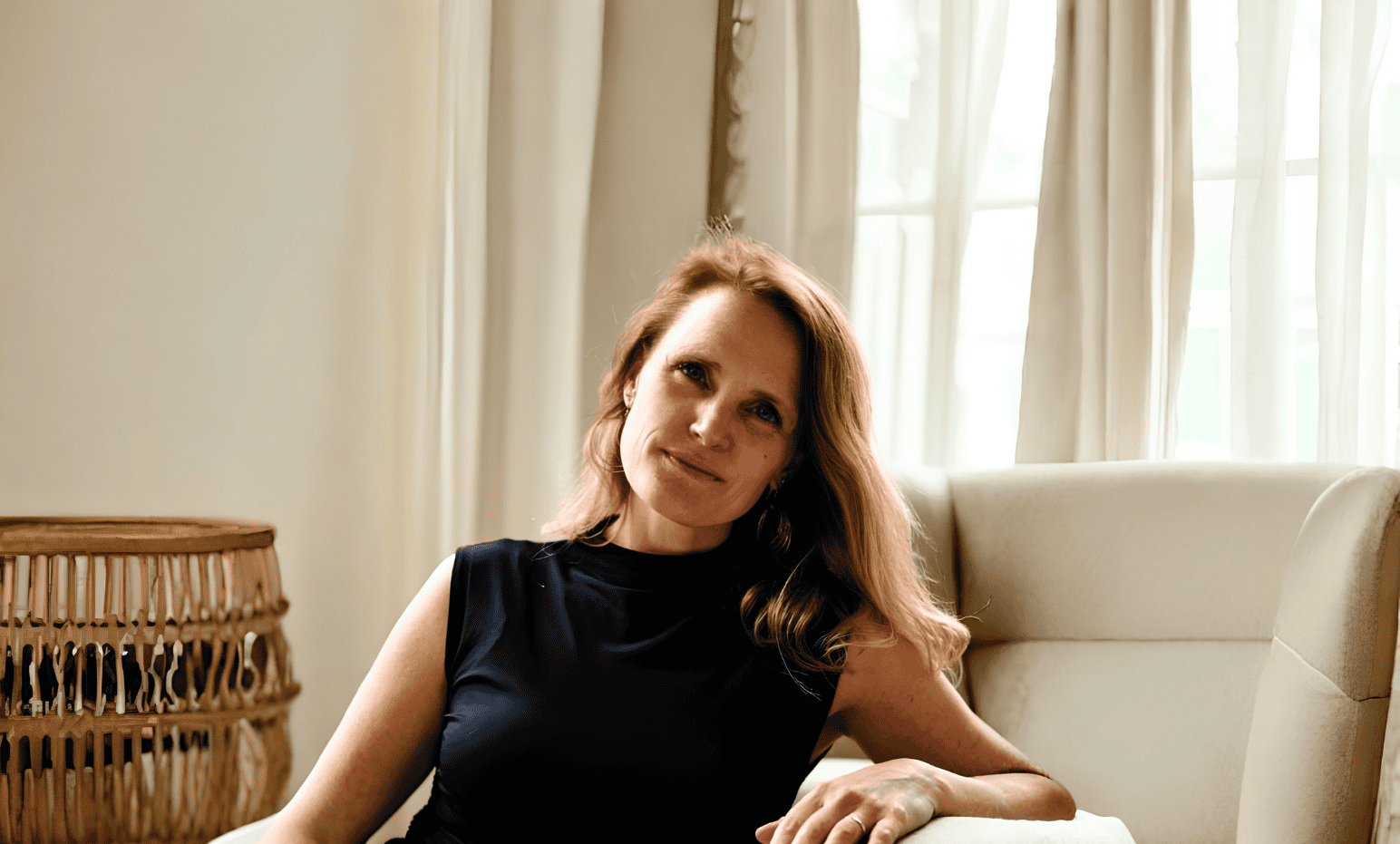

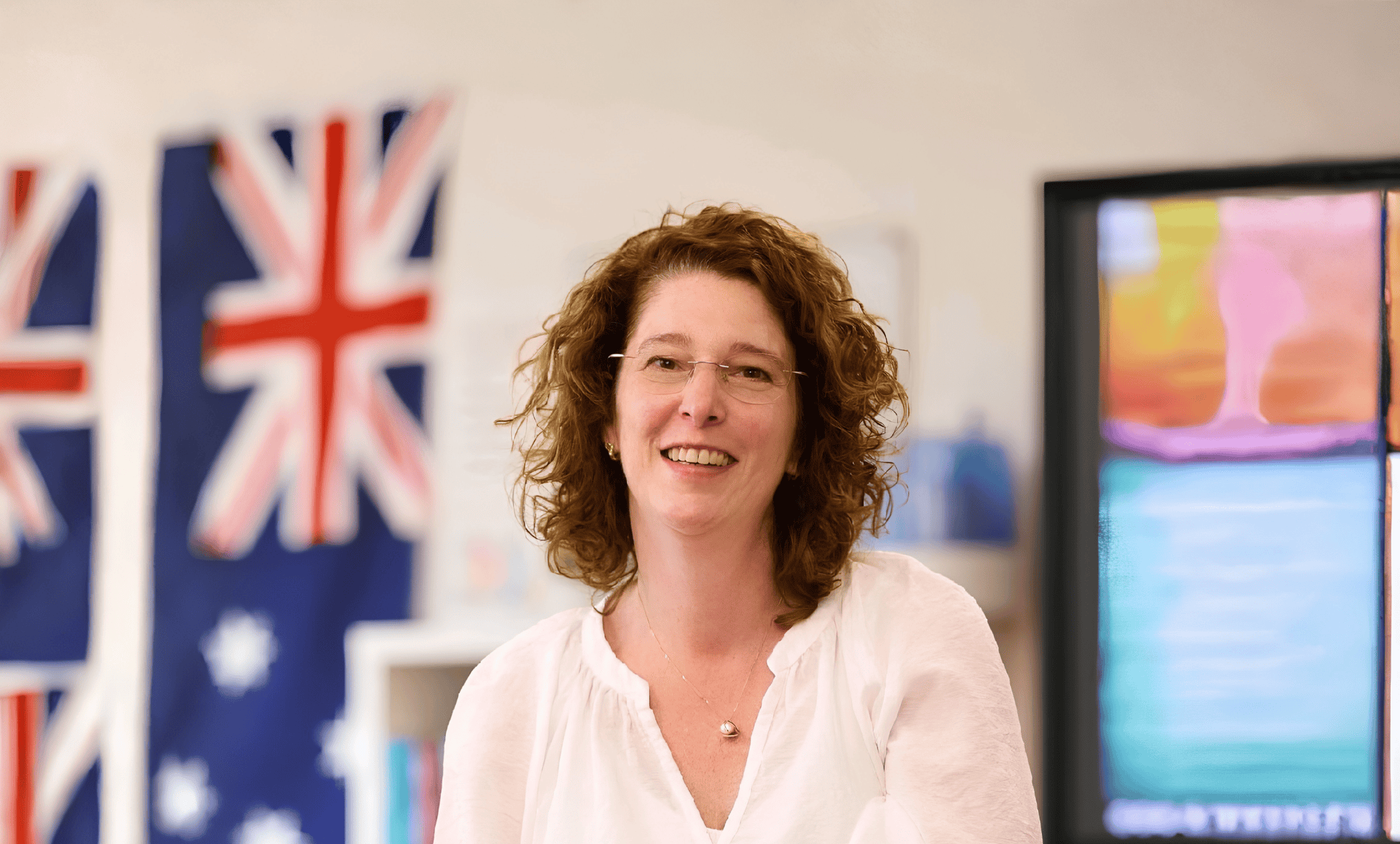
Jasmijn Maes has worked in education for over twenty years, as an English teacher and as a project leader for basic skills. In this role, she combines teaching with mentoring colleagues, where communication is a natural part of her work, but not necessarily something she consciously reflected on, until she came into contact with the Process Communication Model®, or PCM, through a colleague.
“It’s not like I was actively looking for training myself,” she says. “A colleague of mine, who is also a good friend, became a trainer and was looking for a group to practice with. That’s how I got into it. I went into it quite openly, without specific goals. I actually always do that: I just see what I can get out of it.”
That open attitude meant that the insights didn't immediately come across as a ready-made solution. “When you read the book, you are initially mainly concerned with: where do I stand myself? But in practice, you realize that it is really something you have to practice. It is not something you just apply and expect to work immediately.” Gradually, she noticed that it helps especially at moments when communication doesn't flow as naturally. “When things get difficult, you start asking yourself: what is actually happening here, and can I do something about it? Then it helps to look at behavior differently, and not just react to what you see.”
That sometimes translates into very practical applications as well. During a training day on an implementation project, for example, she created posters tailored to different personality types. “I came up with a sentence for each type explaining why that change would be particularly relevant to them. For some, it stood out immediately; for others, it didn't at all, but it was a way to address people in their own way.” Her colleague and trainer Joyce had to laugh at that, precisely because Jasmijn decided to put it to use in such a practical way.
She notices the effect in her daily work and at home. “In the classroom, you always have students who struggle more. Then it helps to really learn to see them, instead of just reacting to their behavior. And I notice it at home too. My husband, for example, can react quite intensely when something doesn't work out, especially while cooking. Previously, I would take it personally more quickly, whereas now I am more likely to think: this isn't my fault, you are just having a hard time at that moment. That makes you react differently, and that often takes the tension out of such a situation.”
For Jasmijn, therefore, the value of the training lies not in a completely new way of working, but in an extra layer of awareness that she can draw upon when needed. In the advanced training, this went a step further. “You look not only at behavior, but also at what is happening underneath, especially when tension rises. You gain more insight into those different 'masks' and how you yourself change within them. For me, that made it clearer how my own behavior shifts under pressure, and where that comes from. That was actually very easy to place, and helps to choose more consciously how you react in such a moment.”
She is not so sure whether PCM has fundamentally changed her work. “You develop anyway, especially if you have been working in education for a long time. But it has helped me to look at communication more consciously, and you take that with you into how you react and how you conduct conversations.”