

Als hr-business partner zit je regelmatig aan tafel met mensen die vanuit cijfers sturen. Dat kan best een uitdaging zijn, omdat je vooral met mensen werkt. En de waarde daarvan lijkt moeilijker te kwantificeren. En dat is wél wat het management van je vraagt. Hoe ga je hiermee om?
Geen beoordelingsgesprekken meer
“Wij hebben binnen onze afdeling één persoon aangesteld die volledig verantwoordelijk is voor de mens. Daarbij proberen we steeds beter te kwantificeren wát die aandacht voor de mens dan eigenlijk is. Dan praten we over thema’s als ‘waarom werkt iemand bij onze organisatie’, en ook over ‘waar deze persoon binnen én buiten zijn werk energie vandaan haalt’ en over ‘wat er nodig is om als mens te kunnen groeien’. En dat dan in combinatie met meetbare afspraken gericht op cijfers. Gelukkige medewerkers leveren uiteindelijk ook gelukkige klanten op. Als je medewerkers gemotiveerd en betrokken zijn, nemen de foutkansen en de ruis in je organisatie af. Dat is het gesprek dat je als hr-manager veel meer kunt voeren. Je bent dan ineens ook gesprekspartner wanneer je praat over risicomanagement bijvoorbeeld.”
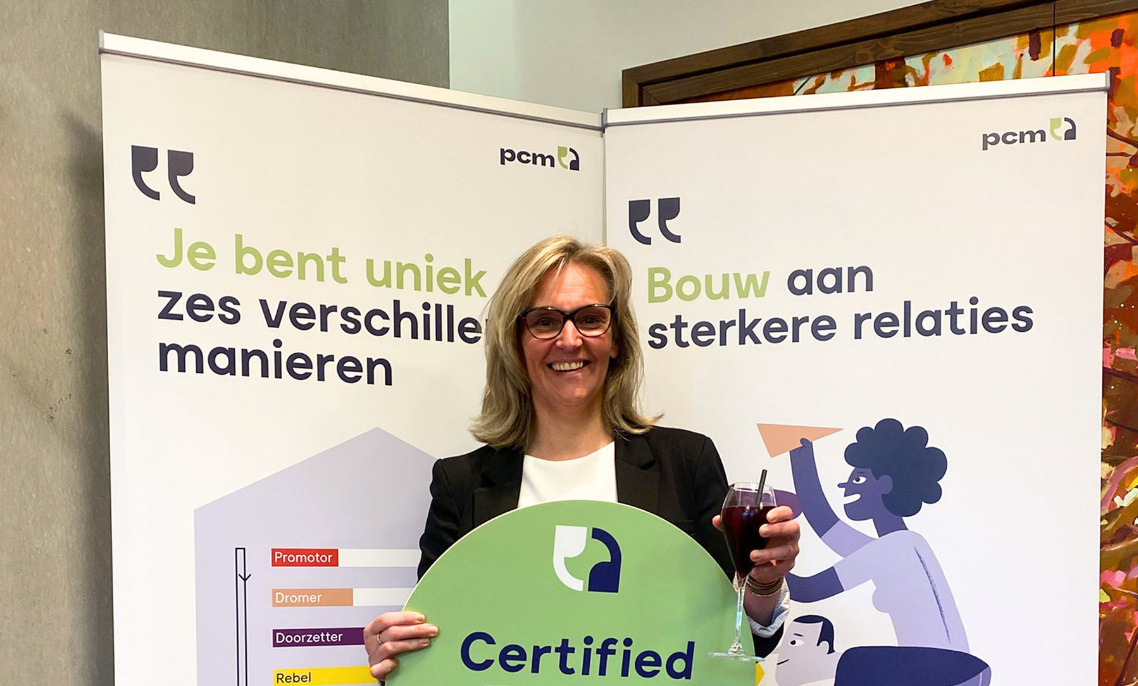
Dat zegt Leonie Kemper, HR Lead – Online Channels (Commercial Banking – Digital Banking) bij ABN AMRO Bank N.V. Zij volgde opleidingen voor PCM-coach en voor PCM-trainer en past dit toe in haar dagelijkse praktijk. “Door op die manier met je mensen in gesprek te zijn ben je in staat om het beste uit twee werelden combineren. Zo hebben wij bijvoorbeeld geen beoordelingsgesprekken meer, maar spreken we het hele jaar door over constructieve feedback, voeren we structureel gesprekken met elkaar én maken we mensen sowieso (mede)verantwoordelijk voor hun eigen ontwikkeling. Onderwerpen als resultaatdoelstellingen binnen het team, maar ook de minder meetbare kant zoals houding en gedrag worden daarbij op gepaste wijze gecombineerd.”
Mensen en cijfers gaan prima samen
“Ik denk dus dat mensen en cijfers prima samen gaan, zolang je het maar op de goede manier aanpakt. Zo zien wij in ons medewerkerstevredenheidsonderzoek bijvoorbeeld duidelijk terug hoeveel energie wij zelf in onze mensen hebben gestoken. Hoe meer aandacht we aan de mens hebben gegeven, hoe hoger het waarderingscijfer voor ons als werkgever is. Wat ik persoonlijk heel belangrijk vind, is beseffen dat alles begint met geloof en vertrouwen vanuit het managementteam. En daarin is ook een rol voor mij als hr-professional weggelegd, want als het management niet openstaat voor het creëren en behouden van een open cultuur zónder verborgen agenda, dan werkt het gewoonweg niet”, aldus Leonie.
“En ja, ik heb in de afgelopen jaren wel gemerkt dat het combineren van mens en cijfer soms ook pijnlijk kan zijn, omdat mensen soms indringend worden geconfronteerd met hun eigen negatieve gedrag. Juist ook wanneer een gesprek moeilijk is pas ik het Process Communication Model® (PCM) toe, bijvoorbeeld door heel nauwgezet te kijken naar wat mijn gesprekspartner op dat moment nodig heeft en daarbij aan te sluiten. Ik sta dan bewust stil bij hoe ik verbinding kan maken met die persoon zodat ik écht in contact kom door zijn taal te spreken. Het kan uitdagend zijn om mensen in de spiegel te laten kijken, maar als dat lukt, dan komen daar de mooiste, meest integere en authentieke gesprekken uit voort en daar zit de wezenlijke verandering in voor mens én organisatie. Dat zijn de zaken die je terug gaat zien in de cijfers, vooral op de lange termijn. En dat zijn voor mij de dagen met een gouden randje binnen mijn vak.”
Plan je PCM-reis
Wil je ook samen meer bereiken binnen je organisatie? Zet dan PCM in om jezelf én anderen te ontcijferen. Neem contact met ons op We helpen je graag om de onderlinge verschillen te herkennen en zinvol te benutten. Ook wanneer je stuurt op cijfers óf wanneer je juist aan de andere kant van de tafel zit, bijvoorbeeld als hr-manager. We gaan graag met je in gesprek.