Persoonlijkheid gaat niet over dierennamen, idolen, kleuren of van welke planeet je komt. Het is een wezenlijk onderdeel van de neurodiversiteit en gaat over individuele verschillen in de manier van waarnemen en communiceren.
Stel, je vraagt het de leiders in je organisatie, hoe zouden zij deze vragen dan beantwoorden?
Heb je ooit…
- een persoonlijkheidstest gedaan en het gevoel gehad dat de resultaten je in een hokje plaatsten?
- in een training over persoonlijkheidsverschillen een bepaalde stempel of stereotype gekregen?
- ervaren dat mensen zich achter hun persoonlijkheid verschuilen?
- vertrouwensproblemen gehad met bepaalde mensen?
- tot je eigen verrassing ontdekt dat iemand jou niet vertrouwde?
- mensen horen praten over het waarderen van alle persoonlijkheidstypen, terwijl dat niet blijkt uit hun communicatie of manier van leidinggeven?
Wanneer we het over persoonlijkheid hebben, zien we vaak dat er wordt verwezen naar een bepaald type van mensen, met zinnen als: “Ik ben een _________” of “Mijn baas is een _________”. Dit soort labels wordt niet ondersteund door de persoonlijkheidswetenschap. Het is simpelweg niet hoe persoonlijkheid werkt. Menselijk gedrag is complexer dan dat.
Sta eens stil bij het volgende. Worden mensen in je organisatie aangemoedigd en getraind op het veranderen van hun gedrag om te kunnen communiceren met verschillende persoonlijkheidstypen? Of verschuilen ze zich achter labels en hun ‘persoonlijkheid’?
Het veranderen van je mindset over persoonlijkheid kan het verschil maken. Dit is de tweede van acht mindsetveranderingen die de slagkracht van leiders kunnen veranderen.
Leiderschap Mindset Shift #2: Persoonlijkheid gaat over typen IN mensen, niet over typen VAN mensen
In tegenstelling tot andere persoonlijkheidsmodellen erkent het Process Communication Model dit wel. PCM is een gedragsmodel met een aantal specifieke kenmerken:
- PCM meet de relatieve sterkte van zes persoonlijkheidstypen die we allemaal IN ons hebben. Geen hokjes, geen overdreven vereenvoudigde labels.
- PCM laat zien hoe elk type de wereld om zich heen ervaart en verwerkt, hoe elk type bij voorkeur communiceert en hoe dat type gemotiveerd wordt. Maar ook hoe het zichzelf saboteert met negatieve aandacht.
- Het beste van alles is dat PCM je specifieke leiderschapscommunicatiestrategieën aanleert waarmee je de unieke sterke punten van elk type prikkelt en benut.
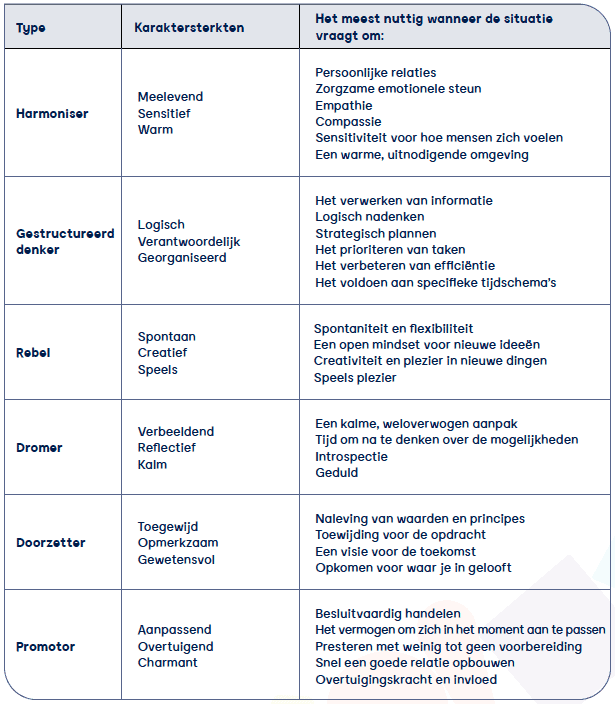
Zes typen, zes manieren om te schitteren
Dit zijn de zes persoonlijkheidstypen die we allemaal in ons hebben en de bijbehorende karaktersterkten en waar ze in uitblinken.
De verantwoordelijkheid van een leider: het managen van persoonlijkheid
Leiders moeten resultaten leveren aan hun organisaties: gezamenlijke doelen bereiken met inzet van diverse teams. Leiders worden daarnaast steeds vaker verantwoordelijk gehouden voor het bevorderen van een omgeving waarin iedereen zich gehoord, gewaardeerd, betrokken en gemotiveerd voelt. PCM helpt leiders in beide gevallen.
Als mensen het goud van een organisatie zijn, dan is het zaak om persoonlijkheid goed te benutten. Leiders moeten dus:
- Alle zes typen in zichzelf herkennen en waarderen.
- Alle zes typen in anderen herkennen en waarderen.
- Hun eigen vooringenomenheid, vooroordelen en discriminatie rondom persoonlijkheid onder ogen zien.
- Beleid en acties afstemmen op inclusie van persoonlijkheid.
- Effectieve communicatie- en leiderschapsstrategieën aanleren om het succes van alle typen te ondersteunen.
Verander je mindset om een betere leider te worden
In het PCM Leiderschapsprogramma leren leiders hoe ze alle zes persoonlijkheidstypen op de werkplek kunnen herkennen, waarderen en inzetten. Ze kunnen vervolgens:
- de vaardigheden in hun teams uitbreiden en beter benutten;
- burn-outs voorkomen en personeelsverloop terugdringen;
- een meer inclusieve werkomgeving opbouwen.
Wil jij aan de slag met het versterken van jouw leiderschap? Neem contact met ons op.