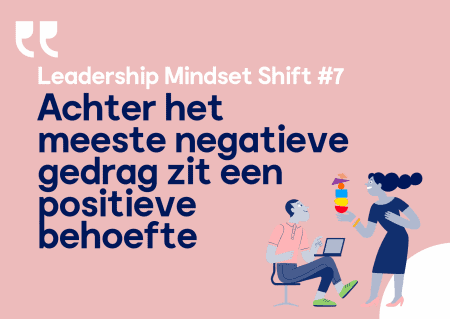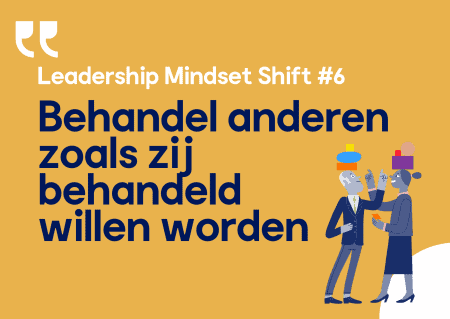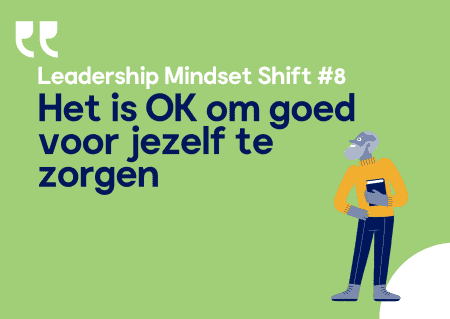

10 permissies die in elk leiderschapsprogramma horen
Leef je met stille ‘remmers’ in je leven, ingewortelde overtuigingen over wat je wel of niet zou moeten doen? ‘Werk voor je plezier’, ‘Maak niet te veel plezier’, ‘Zorg dat je nooit te veel vraagt’. Na verloop van tijd, zonder dat we het beseffen, infecteren deze remmers ons leven en kunnen ze ons echt tegenhouden in onze ontwikkeling. Veel van deze remmers belemmeren onze eigen leiderschapsontwikkeling.
Daarom ben ik zo dankbaar voor de Tien Permissies die Taibi Kahler, erkend klinisch psycholoog en ontwikkelaar van het Process Communication Model (PCM®), mij heeft gegeven. Permissies zijn één van de belangrijkste en waardevolste geschenken die we onszelf en anderen kunnen geven. Deze hebben mij door vele vastgelopen momenten en slapeloze nachten heen geholpen. En ik deel ze graag met jullie.
Het is OK om jezelf te zijn.
Je bent uniek in je soort. Je hoeft niemand anders te zijn. Jij bent genoeg! Ik doe ertoe als mens, ook als ik niet of even minder (zakelijk) presteer.
Het is OK om je goed te voelen, zelfs als je een fout maakt of niet alle antwoorden weet.
Dit gaat niet over egoïstische eigenwaarde. Het gaat over scheiden van wie je bent en wat je doet. Je bent een mens, niet een mens die er alleen toe doet als je alles goed doet.
Het is OK om je tijd te nemen.
In tegenstelling tot wat om ons heen wordt gezegd in onze gehaaste wereld, functioneren de geest en de ziel het beste als ze genoeg tijd krijgen om bewust en aanwezig te zijn. Multitasking is een mythe.
Het is OK om zelfbewust te zijn.
Wat!?! Dit is niet hetzelfde als egoïstisch. Zelfbewust betekent zorg dragen voor je belangrijkste psychologische, spirituele, sociale en fysieke behoeften, zodat je weer energie hebt om anderen te dienen. Als je dit niet doet, ben je slecht uitgerust om een goede ouder, baas, coach of werknemer te zijn. Ja, het is OK om eerst je eigen zuurstofmasker op te zetten.
Het is OK om open te zijn.
Openheid is het startpunt voor ‘Compassionate Accountability®’. Meer hierover lees je in dit artikel: Openheid.
Het is OK om succesvol te zijn.
Dit komt misschien als een verrassing; sommige mensen hebben moeite om te accepteren dat ze succesvol mogen zijn. Het is OK om succes te accepteren als een resultaat van je harde werk, steun van anderen, en zelfs een beetje geluk. Je hoeft niet op te scheppen.
Het is OK dat anderen mogen leren en groeien zonder dat je dat van hen verwacht.
Dit was voor mij persoonlijk het moeilijkst te aanvaarden, en de grootste opluchting toen ik het eenmaal doorhad. Ik ben een veel betere ouder, ondernemer, trainer, coach en vriendin geworden sinds ik deze permissie heb omarmt. Verwachtingen, zoals ze zeggen, zijn de zekerste weg naar teleurstelling. Wanneer ik dingen wil zonder te verwachten, ben ik in staat om de verantwoordelijkheid voor het resultaat te delen zonder dat iemands OK-zijn op het spel staat.
Het is OK dat anderen ook winnen.
Je hoeft niet altijd te winnen. Als je je best doet en iemand anders wint nog steeds, feliciteer hem dan. Wees geen slechte verliezer.
Het is OK om sterke en zwakke punten te hebben.
Zelfbewustzijn en emotionele intelligentie gaan over het begrijpen van je sterke en zwakke punten, weten hoe je er het beste van kunt maken, en optimaal te functioneren binnen teams, relaties en gemeenschappen.
Het is OK om je potentie te gebruiken.
Er is een tijd om je nederlaag te accepteren, en er is een tijd om op te staan en je kwaliteiten te gebruiken. Mensen zijn in staat om zich in te spannen voor doelen. In feite is menselijk handelen de sleutel tot hoop.
Ik nodig je uit om eens wat langer stil te staan bij deze tien permissies en te overwegen of het waardevol kan zijn om deze met uw managers te delen. En beantwoord dan ook eens de volgende vragen voor jezelf:
- Welke permissie is voor jou het gemakkelijkst te aanvaarden?
- Welke is het moeilijkst? En waarom?
- Welke toestemming is voor jou het gemakkelijkst om aan anderen te geven? Welke is het moeilijkst? Waarom?
- Is er een permissie die je jezelf wilt geven om gelukkiger te zijn, meer voldaan, minder gestrest?
- Wat zou er gebeuren als je werkcultuur deze permissies zou aanvaarden en aan elkaar zou geven? Hoe kun jij deel kunnen uitmaken van zo’n revolutie?
Monique Bruil / Eigenaar BSmart Communication / Ontwikkelingspartner / PCM & LOD Trainer en Coach / Auteur van het boek ‘In 10 stappen zelfbewuster samenwerken’.
Inspiratie: https://www.next-element.com/
Foto credit: Matheus Costa via Unsplashed.com