
Onlangs leerde ik een mooi woord: humeurmanagement. Vandaag deed ik dat bij mezelf en gebruikte er de kennis voor van het Process Communication Model (PCM). In deze blog neem ik je mee.
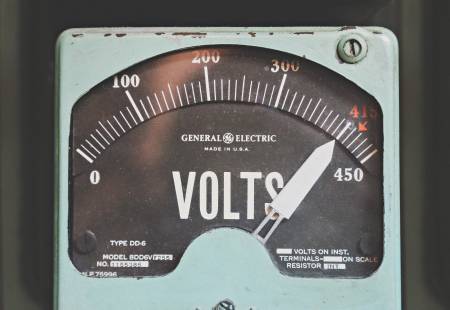
Storm kan je naar vinden of ervan houden. Maar houd jij van een slecht humeur? Als de barometer van je humeur op stand “storm” staat, dan ben je niet de leukste versie van jezelf. Tegen een dalende luchtdruk valt niet zoveel te doen, maar voor een dalend humeur kan je wel degelijk zelf verantwoordelijkheid nemen. Ik noem dat humeurmanagement, dat vind ik een mooi woord. Het begint natuurlijk ermee dat je je bewust bent van je humeur: is het bestendig, veranderlijk of staat het op storm.
Ik doe zeker vaak aan mijn eigen humeurmanagement. Op standje “storm” vind ik mezelf niet leuk, ben ik niet aardig, wordt mijn communicatie belabberd en krijg ik weinig voor elkaar. Terwijl op standje “bestendig” ik lekker in mijn vel zit, genoeg energie heb, alles beter en makkelijker lijkt te gaan, en ik heb ook meer plezier in de dingen die ik doe.
PCM – een praktische tool
Ik heb er een prachtige praktische tool voor in handen: het Process Communication Model (PCM). Het heeft me geleerd de waarschuwingssignalen te herkennen dat mijn batterij aan het leeglopen is. En dat is niet bevorderlijk voor mijn humeur.
PCM geeft inzicht in gedrag, communicatievoorkeuren en psychologische behoeftes. En dat zowel van jezelf als de mensen om je heen. Ieder mens is een combinatie van 6 verschillende persoonlijkheidstypen. De volgorde en intensiteit verschilt van persoon tot persoon. Bij elk type horen kwaliteiten, maar ook voorspelbaar en observeerbaar gedrag in stress. Elk type heeft bepaalde behoeftes die zorgen dat je interne batterij weer opgeladen wordt, je helpen uit de storm van disstress te komen, of voorkomen dat de barometer verder daalt.
Als je de alarmsignalen herkent bij jezelf dan kan je er ook actief wat aan doen. Ook als je ze herkent bij een ander, dan kan je daar actief en specifiek passend bij de ander op reageren.
Terug naar mijn humeur
Ik geef je een voorbeeld van enige tijd geleden.
Ik had een lijstje gemaakt met een aantal dingen die ik die dag wilde doen. Daar was nog bar weinig van terecht gekomen. Daarvoor in de plaats had ik ándere dingen gedaan die ook moesten gebeuren vond ik. Op zich was ik lekker bezig geweest, maar het was niet vlekkeloos verlopen en had allemaal langer geduurd dan ik wilde. Grrrr.
Langzaam begon er spanning op te bouwen in mijn lijf. Mijn denken werd minder helder, en als ik met anderen samen zou zijn dan zouden ze me waarschijnlijk als chagrijnig ervaren. Waar ik mee bezig was begon veel meer tijd te vragen dan normaal. De barometer daalde! En ondertussen lagen er nog steeds klusjes te wachten en vergat ik tevreden te zijn met wat ik al wel had gedaan.
Het was mooi weer buiten, maar ik vond dat ik eerst een aantal dingen moest doen die op dat lijstje stonden. Zo wilde ik de vloer zuigen en dweilen. Chagrijnig begon ik met stofzuigen. Stoelen die in de weg stonden schoof ik boos aan de kant. Toen herkende ik mijn valkuil: éérst de dingen afmaken die ik wil doen, want TOTDAT ik dat lijstje af heb, “mag” ik niet naar buiten van mezelf (terwijl ik daar zo’n zin in heb en het zulk lekker weer is en het ook heel erg nodig is). Dit patroon had ik zonder PCM nooit leren herkennen: de onbewuste overtuiging dat ik pas plezier kan hebben als het werk af is.
Het was tijd om te reflecteren over wat er aan de hand was en vooral aandacht te gaan besteden aan mezelf, mijn batterij en daarmee mijn humeur. Vanuit PCM weet ik wat mijn belangrijkste mentale energiebronnen zijn. Die staan in je persoonlijkheidsprofiel en daarin staat ook een actieplan die je daarbij kan helpen. Dus:
Tijd voor het actieplan
Mijn “powerchargers” zijn erkenning voor mij als persoon en zintuiglijke prikkeling net als erkenning voor werk en tijdsplanningen. En de volgende dingen doe ik daarna heel bewust.
Ik had dus al een paar klussen gedaan die niet op mijn takenlijstje stonden. Ik besloot ze alsnog op dat lijstje te zetten en ze vervolgens direct door te strepen. Zo geef ik mezelf erkenning voor werk. “Goed gedaan!” zeg ik tegen mezelf en voel me al iets tevredener. De batterij is een beetje opgeladen.
Ik ging even rommelen in de tuin, lekker buiten, goed voor de zintuiglijke en mijn brein die even kan waaien waarheen het wil. Dat helpt een beetje, maar ik merk dat het niet genoeg is en dat dweilen blijft als een donderwolk boven me hangen. Ik zeg tegen mezelf dat ik OK ben, ook als ik vandaag niet dweil. Daarmee kan ik mijn lijstje laten voor wat het is.
Even contact maken met mijn lief en ik vertel hem dat ik van houd en de virtuele kusjes zijn heerlijk. Daarna loop ik op mijn gemak naar het centrum om mezelf te trakteren op een cappuccino. Onderweg groet ik iedereen die ik tegenkom en, fantastisch, ik krijg van iedereen een vriendelijke groet terug. Ondertussen geniet ik van de zon, de bloemen en het gefluit van de vogels. Langzaam voel ik de spanning uit mijn lijf verdwijnen en kan ik weer helder denken. Ik voel me niet meer chagrijnig.
Humeurmanagement met PCM. Hoe cool is dat?
8 behoeften voor een beter humeur
In geheel willekeurige volgorde zijn dit de 8 behoeften. Welke herken je voor jezelf?
- Erkenning voor werk – van anderen of jezelf horen dat je goed werkt hebt geleverd. Ik streepte hiervoor taken door op mijn lijstje en voegde zelfs taken toe die ik al had gedaan, alleen om ze door te kunnen strepen.
- Tijdstructuur – bijvoorbeeld het plannen van je dag en week. Dat deed ik met een lijstje.
- Erkenning voor overtuiging – je mening die gerespecteerd wordt door anderen en erkenning krijgen voor je toewijding en betrokkenheid bij een missie. Voor mij niet een hele belangrijke en daarom heb ik dit op deze dag niet bewust aandacht gegeven.
- Erkenning voor persoon – horen en voelen dat jij als persoon ertoe doet. Ik vertelde mezelf dat ik ok was en ging voor mezelf zorgen. En ik maakte contact met mijn lief.
- Zintuiglijke prikkeling – letterlijk proeven, voelen, ruiken, kijken: ik ging naar buiten, genoot van de bloemen en ging mezelf trakteren op een lekkere cappuccino.
- Alleen zijn – tijd en ruimte hebben voor jezelf, zonder iets te hoeven. Tijd om te kunnen reflecteren. Ik nam deze tijd in de tuin.
- Contact (speels) – afwisseling, humor en mensen zijn hierin de kernwoorden. Ik ging praatjes maken onderweg.
- Uitdaging – voldoende adrenaline voelen, actie en spanning in korte tijd. Ook belangrijk, maar voor mij niet op deze dag.
Er zijn allerlei manieren om deze behoeften te vervullen. Wat doe jij om je batterij op te laden en je humeur bestendig te houden?