

Out-of-the-box-denken: voor de man van Hetty de gewoonste zaak van de wereld. Ze legt in deze blogpost uit hoe mensen met veel Dromer-energie zoals haar echtgenoot denken en hoe ze vitaal en veerkrachtig blijven, zowel thuis als op het werk.
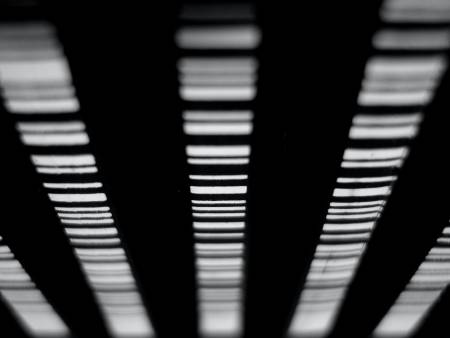
De mens als barcode
Afgelopen zaterdagochtend zaten we rond 8.00 uur aan de keukentafel de weekendkrant te lezen. Mijn man op zijn iPad en ik de papieren versie. De geroosterde boterhammen, het potje met bosbessenjam en de theepot met groene thee stonden op tafel. We zaten zoals altijd schuin tegenover elkaar, zodat ik de krant goed kon uitvouwen. Al jaren is dit ons favoriete begin van het weekend.
En zoals wel vaker gebeurt vallen ons in de krant dezelfde artikelen op.
“Heb je dat artikel over racisme al gelezen?”, vraag ik.
“Ja”, zegt mijn man, terwijl hij ondertussen doorleest, “dat hele racisme is maar een raar fenomeen als ik er zo over nadenk. De mens is eigenlijk net als een barcode.”
Ik val even stil omdat ik die context niet zo gauw kan pakken. Deze voor mij out-of-the-box overdenking is typisch iets voor mijn man.
“Hoezo net als een barcode. Vertel er eens iets meer over.”
“Nou”, zegt ie en hij kijkt op van zijn scherm en draait zijn gezicht naar het raam “een barcode bestaat uit witte en zwarte streepjes en alle streepjes zijn essentieel. Of ze nu zwart zijn of wit of dik of dun, wat je nodig hebt is de unieke combinatie van het totaal. Alle streepjes. Ook de hele dunne. Anders klopt de barcode niet. Zo is het ook met de mensheid. En … wat er nou in me opkomt ….. als je ieder mens zelf ook als barcode ziet, dan is, net als een barcode, ieder mens uniek. Iedere barcode, ieder mens, is een variatie van de andere en functioneel. Alle variaties doen er toe. In zichzelf en in het totaal. Er is geen meer, geen minder. Kleur, leeftijd, gender, geslacht, ieder mens is uniek en een essentieel onderdeel van het geheel.”
Ik ben er stil van.
Ja, de mens als barcode. Ik snap ‘m.
“En dat betekent dan ook dat we goed voor elkaar moeten zorgen” zeg ik, “want als je dus de gehele mensheid als barcode ziet, dan heeft een kleine beschadiging ergens in die barcode effect op het geheel.”
“Ja”, zegt mijn man. Hij is alweer aan het volgende artikel begonnen en neemt een hap van zijn boterham.
Kijken vanuit de bril van relfecties
Als je, zoals mijn man, naar de wereld kijkt vanuit de perceptie ‘reflecties en inacties’, dan denk je out-of-the-box. Mensen met deze voorkeursbril zijn overwegend kalm van aard ;“ik vind wel een oplossing”. Ze kijken vaak weg als je in gesprek bent. Het zijn de innovators en uitvinders onder ons. Ze zijn niet dromerig, ze zijn imaginair. Als je een onderwerp aansnijdt wat hen interesseert of als ze iets hebben uitgevogeld zijn ze niet introvert. Ze onderzoeken en verbinden al overdenkend dingen en gedachten aan elkaar, waardoor mogelijkheden en oplossingen gevonden worden die door anderen over het hoofd worden gezien.
Zo stimuleer je probleemoplossend vermogen
Ken je zo iemand in de privé-sfeer of op je werk? Geef hem/haar dan de gelegenheid om autonoom te zijn, eigen ruimte te pakken en kom met een gekaderde opdracht, ook qua tijd. Je zult versteld staan over de vasthoudendheid om het probleem uit te puzzelen en de inventiviteit en de efficiëntie van het resultaat. En herken je jezelf in deze voorkeursperceptie? Organiseer dan zelf kadering en sturing in je leven om jouw autonomie en eigen ruimte te kunnen pakken en daardoor veerkracht en vitaliteit te houden.
Bron: Process Communication Model – Persoonlijkheidstype Dromer. Lees hier meer over alle persoonlijkheidstypen in ons.